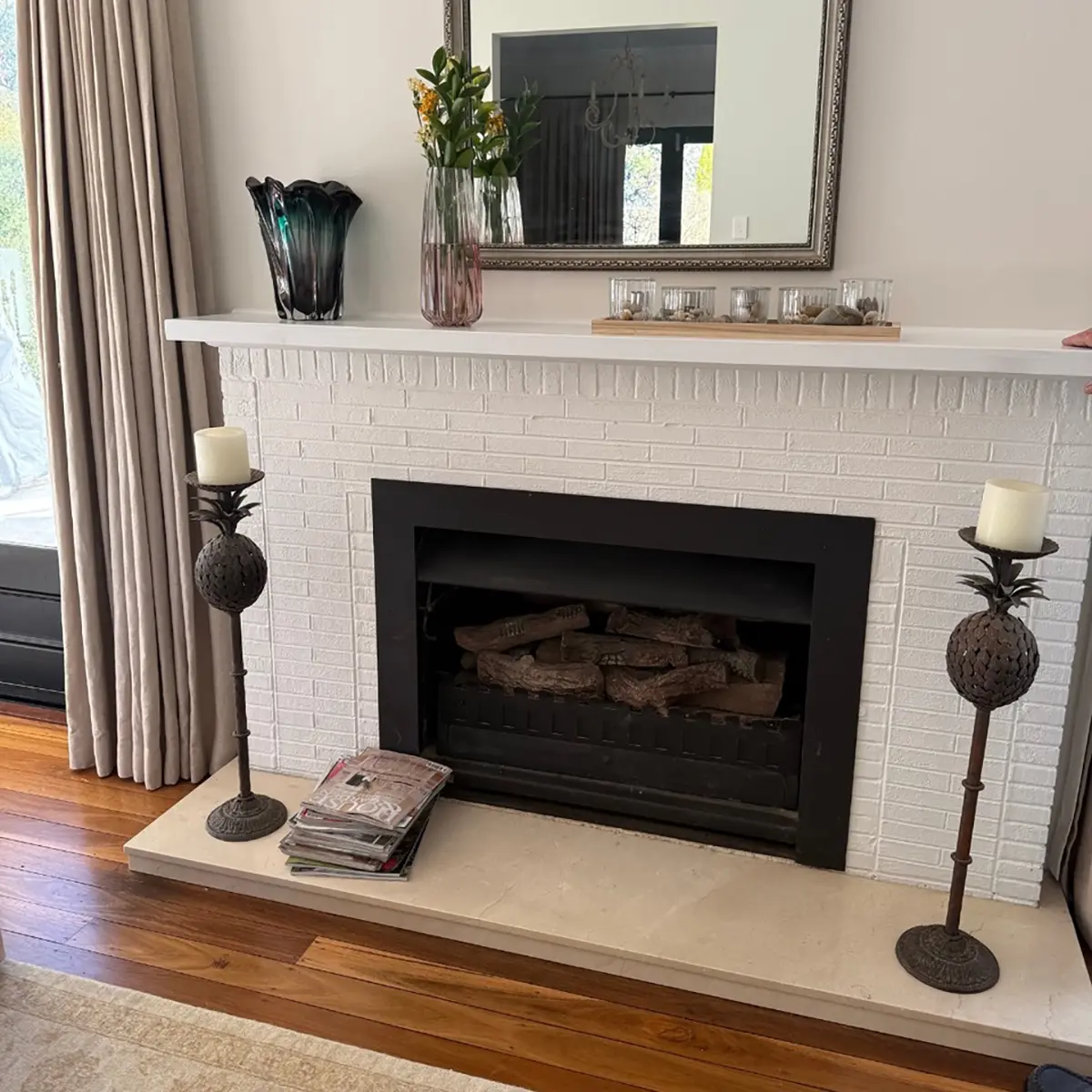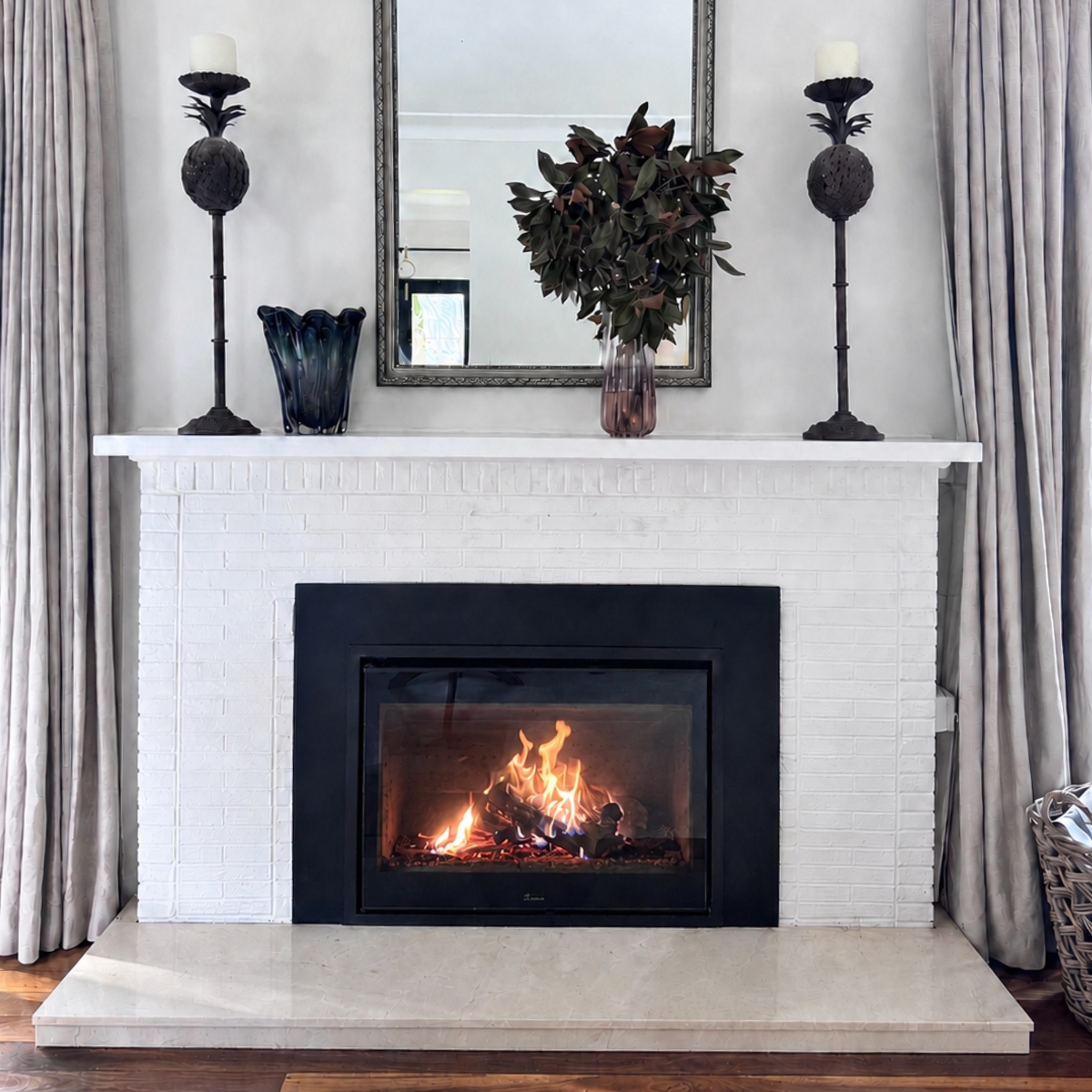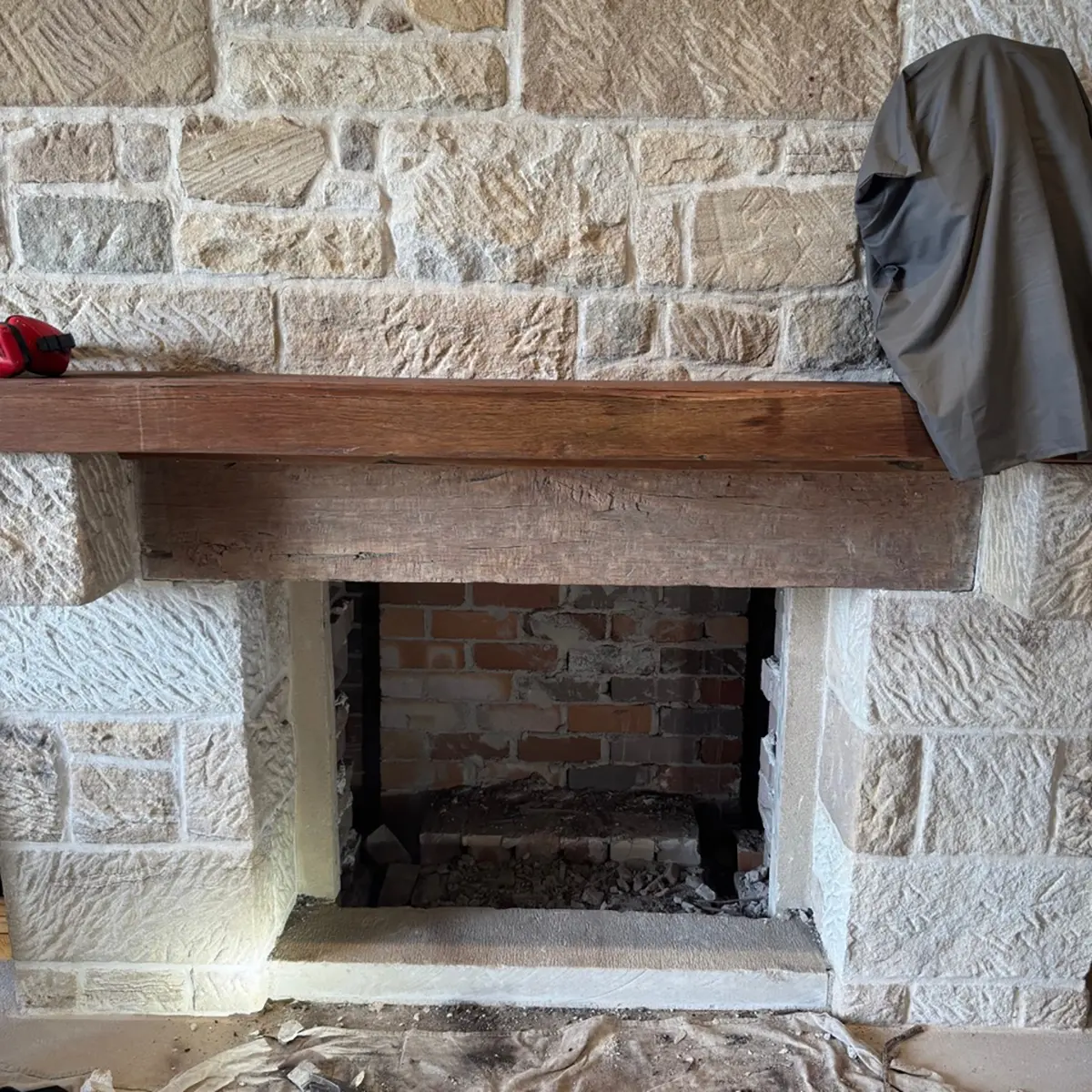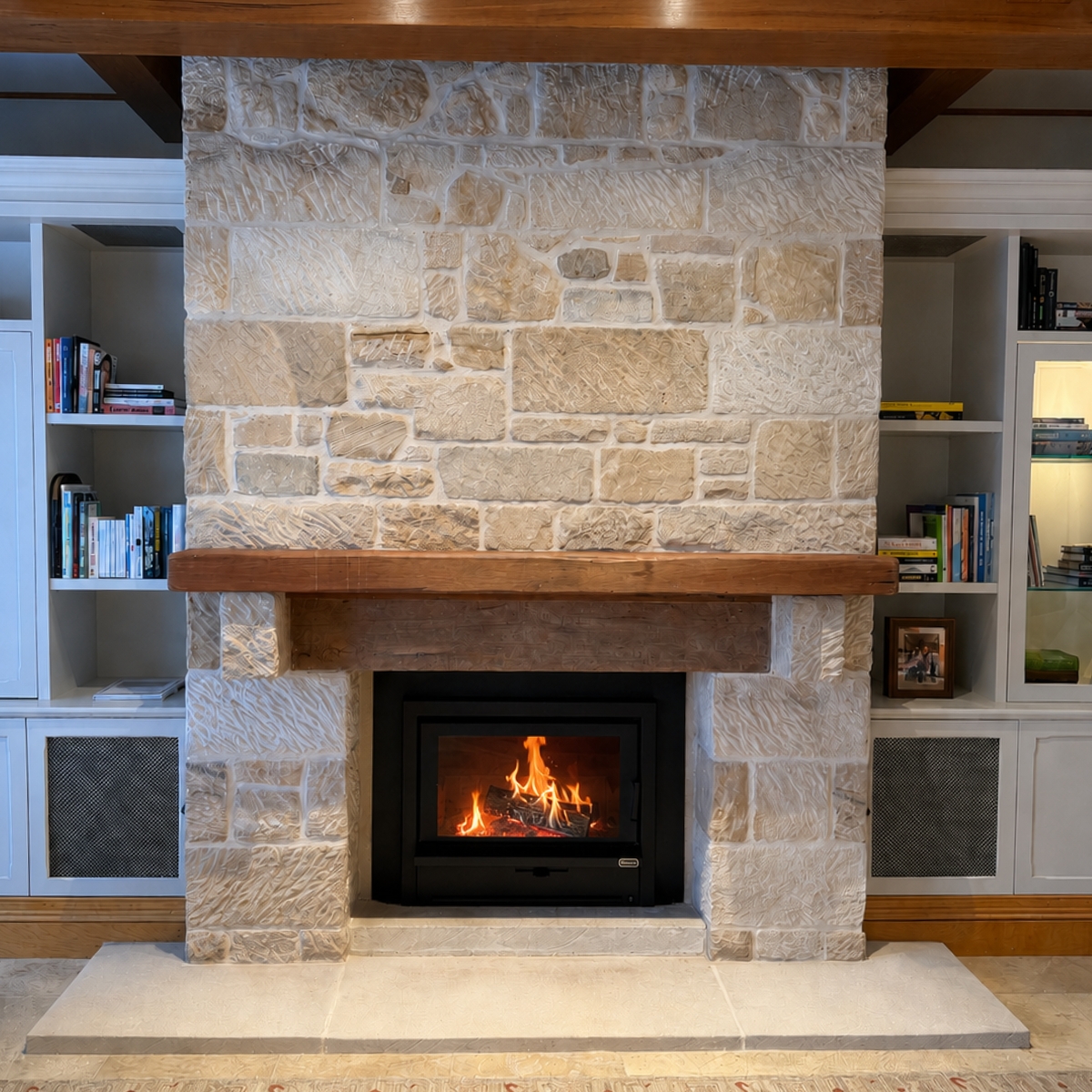
Many Australian homes were built with traditional brick chimneys and open fireplaces that have fallen out of use or don’t produce the efficient heat modern homeowners are looking for. Here in the Southern Highlands and surrounding regional New South Wales, it seems every second home has a brick chimney and we receive enquiries every week from homeowners asking what can work for them.
Traditional open fireplaces are romantic but lose heat up the chimney, which means you’re using a whole lot of wood without generating a whole lot of heat. At their worst, they can be smoky, messy and drafty.
The good news is that (almost!) without exception there is a solution for just about any chimney, and in many cases, a range of options that can work. Which means that big beautiful structure in your space has the potential to become the centrepiece of your home once again.
Modern gas and slow combustion wood fireplaces are designed to look beautiful and deliver significantly more usable heat while using less fuel. Benefits include:
Retrofitting either a gas or slow combustion wood fire typically involves installing a new flue or insulated flue system within the existing chimney. This improves draft, enhances safety and helps the fireplace perform well.
The answer really depends on your lifestyle and needs.
A slow combustion fire delivers the unmistakable experience of a real wood fire. The crackling logs, natural flame and radiant heat create a warmth that simply can’t be replicated with any other heating source. Modern slow combustion fires come with fans or natural convection chambers to heat the space, as well as air controls to help control the burn and achieve long burn times. They are also clean burning with low emissions to meet today’s strict standards in Australia.
Unlike open wood fires which typically convert 10-30% of fuel into usable heat, modern slow combustion designs achieve efficiency ratings of 60-80%. Importantly for homeowners in cooler climates like the NSW Southern Highlands, wood fires generate a high output that can heat a large space while also turning the masonry chimney into a large thermal battery. This mass slowly stores and radiates steady warmth into the room hours after the fire goes out.
This authentic experience requires some time and labour on your part. Whether you have access to your own wood or you have it delivered to your home, there’s a certain amount of carrying, splitting and storing required and your fireplace will benefit from regular maintenance.
A gas fireplace delivers a realistic flame and strong heat output at the touch of a button, without lighting a fire or storing timber. Efficiency ratings typically range from 60–90%, and output ranges from 5–11 kW/hr depending on size. This makes them suitable for heating a room or zone in your home.
To install a gas fireplace in an existing brick chimney, a gas line and power are extended into the chimney for connection to the fireplace. A remote control, app or switch allow you to control the fire, for example turning the heat and fan up and down or setting a thermostat to achieve a certain room temperature.
Gas fireplaces are ideal for busy households or anyone wanting the ambience of a fire with minimal maintenance.
Electric fireplaces can also be retrofitted into existing chimneys for those homeowners who want an easy and often cost-effective solution – no flue, no gas connection, no fuss! Most electric fires have heat outputs of 2-3kW making them inexpensive to run, especially if you have solar. As a rough guide they may heat an area of around 30 square metres so think of electric fireplaces as a supplemental heat rather than a primary source of heat.
A fireplace specialist can guide you through the process which typically involves these steps:
Retrofitting a double-sided fire into an existing fireplace may be possible depending on the size and structure of the chimney. Sometimes additional work is needed, for example, opening up the other side of a single-sided chimney or removing brick to gain extra width or height.
A key consideration is the depth of the chimney. If the chimney is very deep front to back, a double-sided fire may be set quite far back on each side as the firebox itself may range from 450 – 700mm depth.
Choosing the right fireplace for your existing chimney depends on a range of criteria including the size of your space, your heating priorities, design preferences and budget. Other details are also considered such as clearances to an existing timber mantle and whether your existing hearth (floor protection) is suitable.
At Highland Fires we work closely with homeowners, architects, designers and builders to specify the right fireplace and achieve the best possible outcome for your project. We have close relationships with expert trades to carry out the work, or if you have your own trades we provide the support and specifications they need.
Check out some of our retrofitting projects below and get in touch with our fireplace specialists to discuss your project.